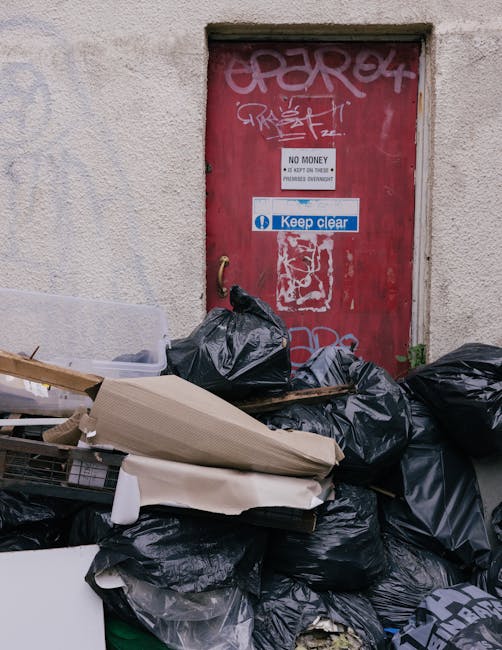
Kings Cross Camden Council rubbish rules explained
If you live, work, rent, or run a property near King's Cross, rubbish can become a surprisingly fiddly issue. One wrong bin day, a bag left beside the wrong container, or a bulky item dumped outside at the wrong time, and suddenly you are dealing with complaints, missed collections, or a fine you really did not want. This guide gives you Kings Cross Camden Council rubbish rules explained in clear, human language, so you can handle everyday waste properly and avoid the usual headaches.
Truth be told, most people do not need a law lecture. They need to know what goes where, what not to leave out, how to deal with bulky waste, and when a professional clearance makes more sense than a trip to the kerbside. That is exactly what this article covers, with practical examples, a checklist, a comparison table, and a realistic view of the sort of mistakes that catch people out.
Contents
- Why the rules matter
- How the rubbish system works
- Key benefits and practical advantages
- Who this is for and when it makes sense
- Step-by-step guidance
- Expert tips for better results
- Common mistakes to avoid
- Tools, resources and recommendations
- Law, compliance, standards, or best practice
- Options, methods, or comparison table
- Case study or real-world example
- Practical checklist
- Conclusion
- Frequently asked questions
Why Kings Cross Camden Council rubbish rules explained Matters
Rubbish rules are not just paperwork in the background. In a busy area like King's Cross, they affect how clean a street feels, how well shared buildings function, and whether waste ends up where it should. When bins overflow or sacks are left out at the wrong time, you notice it fast. The smell, the mess, the foxes, the extra noise early in the morning. Nobody wants that near their front door.
For residents, the rules help keep communal spaces usable. For landlords and managing agents, they reduce complaints and fly-tipping risk. For businesses, they shape collection timing and storage needs. And for anyone clearing a flat after a move or handling a house clearance, the rules decide whether you can simply leave items out or need a more structured removal plan. That is where services such as waste removal or a more specific job like flat clearance can save a lot of stress.
There is also a simple practical side. If you understand the local expectations, you waste less time and make fewer calls. You avoid that annoying situation where a bin bag sits there for a day or two, untouched, because it was placed incorrectly. Small thing? Sure. But repeated over a year, it becomes a real nuisance.
How Kings Cross Camden Council rubbish rules explained Works
The easiest way to think about the system is this: different types of waste need different handling. Everyday household rubbish is one thing. Recyclables are another. Large items, garden waste, builders' waste, and commercial waste each follow their own process. The local collection arrangements may depend on the type of property, bin access, and the service provided to that address.
In practical terms, most people need to think about five broad categories:
- General rubbish such as food packaging, tissues, and non-recyclable leftovers.
- Recycling such as clean cardboard, paper, glass, and certain plastics, depending on the collection setup.
- Food waste where a separate container is provided.
- Bulky waste like old furniture, mattresses, or broken appliances.
- Special or trade waste such as builders' rubble, office clearances, or business refuse.
The rules usually focus on what is acceptable in each container, when containers should be presented, and how to stop waste becoming a nuisance. For example, a bag tied loosely and split by the time it reaches the pavement is not a minor issue if it creates litter for half the street. Likewise, a sofa left outside without arranging collection can quickly become an obstruction.
If you are clearing a property, it is often smarter to pair the rubbish rules with the right service. A lot of people start with a house or flat tidy-up, then realise they need something more complete such as house clearance or home clearance. That is not overkill. It is just a better fit for the job.
Key Benefits and Practical Advantages
Following the rules properly does more than keep you on the right side of the council. It makes everyday life easier, especially in shared buildings and busy streets where one person's shortcuts quickly become everyone else's problem.
- Cleaner shared spaces: Waste is less likely to spill, smell, or attract pests.
- Fewer disputes: In blocks of flats, good rubbish practice reduces neighbour complaints.
- Smoother collections: Correctly sorted waste is more likely to be collected without issue.
- Better recycling outcomes: Clean, sorted material is easier to process.
- Lower fly-tipping risk: If bulky items are dealt with properly, they are less likely to end up dumped nearby.
- Less stress during moves: A clear disposal plan means you are not leaving the last bin bags till 10pm on moving day. We have all seen that slightly panicked shuffle with boxes and takeaway cups everywhere.
There is a commercial benefit too. Businesses in King's Cross tend to operate in tight spaces and shared loading areas. If rubbish is managed badly, it can interfere with deliveries and create a poor impression. For offices and shops, a structured approach through business waste removal can keep things controlled and more predictable.
Who This Is For and When It Makes Sense
This guide is useful if you are any of the following:
- a tenant in a flat or shared building
- a homeowner trying to keep collections tidy
- a landlord or letting agent managing end-of-tenancy waste
- a business owner dealing with office or retail refuse
- a contractor with builders' rubbish after a small project
- someone clearing furniture, loft contents, a garage, or a garden
It also matters if you have a property with awkward access. King's Cross has its fair share of narrow corridors, communal bin stores, basement spaces, and managed blocks where putting items out is never as simple as "just leave it by the road". In those cases, the right service and the right timing matter more than people expect.
A typical scenario: you have a flat move-out on Friday, a sofa that will not fit in the lift, and a shed load of mixed clutter that needs to go. The rubbish rules still apply, but a dedicated clearance might be the easier route. That is where furniture clearance or furniture disposal can make life much simpler.
Step-by-Step Guidance
If you want a straightforward way to stay compliant, use this process. It is basic, but it works.
- Identify the waste type. Separate general rubbish, recycling, food waste, bulky items, garden waste, and any trade waste.
- Check the property setup. Some buildings use shared bins, some have individual containers, and some have controlled collection points.
- Sort items before disposal. Keep recyclables clean and remove obvious contamination where possible.
- Bag or contain waste properly. Loose waste is messy and more likely to create trouble.
- Use the correct collection method. Put out bins only when and how the local arrangement allows.
- Book special removal when needed. For bulky waste, construction debris, or a full property clear-out, arrange a proper service instead of guessing.
- Keep access clear. Doorways, communal halls, and pavements should not be blocked.
- Document anything unusual. If you manage a building, note missed collections, contamination problems, or overflow patterns.
A practical example helps. If you are clearing a spare room, do not dump everything into one pile and hope it sorts itself out. Separate paper, old electronics, broken furniture, and general rubbish from the start. That little bit of effort saves time later, and honestly, it saves that nagging feeling that you have created a mini landfill in the hallway.
If the job is bigger than household bins can handle, it may be worth looking at loft clearance, garage clearance, or garden clearance. Those services are often the right middle ground between trying to do it yourself and letting the pile grow into a weekend-eating monster.
Expert Tips for Better Results
Here are the tips that tend to matter in real life, not just on paper.
- Keep recycling clean and dry. Wet cardboard and food-stained packaging can cause trouble in shared bins.
- Break down bulky items early. Flat-pack boxes, shelves, and old wardrobes take up far less space once dismantled.
- Do not leave everything until the eve of collection. Rushed sorting is how people end up mixing waste categories.
- Use bags that will not split. Thin bags are a false economy. One ripped bag on a wet morning is enough to make a mess of the whole entrance.
- Check access before booking a clearance. Stairs, parking, loading zones, and lift size can all affect the job.
- Think in zones. In a flat, set aside one area for recyclables, one for general rubbish, and one for bulky items. It sounds obvious, but it really helps.
One small but useful habit: if something looks awkward to dispose of, pause before putting it in the wrong bin. A minute of hesitation can save a lot of cleanup later. Quite a lot, actually.
Where possible, choose a provider that understands not just removal, but how waste is handled afterwards. A responsible clearance team should be able to explain sorting, transport, and recycling in a plain way. If you want to see how that fits into a broader approach, the company's recycling and sustainability page is a useful starting point.
Common Mistakes to Avoid
Most rubbish problems are caused by a small set of repeat mistakes. The good news is they are all avoidable.
- Putting the wrong waste in the wrong bin. It sounds minor. It is not. Contamination can affect the whole load.
- Leaving bags beside bins too early. This often attracts pests or creates a litter issue.
- Forgetting about bulky items. A chair, wardrobe, or mattress is not the same as household waste.
- Mixing trade waste with domestic rubbish. Builders' waste, packaging, and DIY debris usually need separate handling.
- Blocking shared access. Even a "temporary" pile in a communal hall can become everyone's problem.
- Assuming the council will take anything left outside. That assumption causes more trouble than people realise.
The biggest one? Waiting until the place is already chaotic. Once there are bags by the door, a broken table in the kitchen, and a box of odds and ends in the hallway, sorting becomes a chore. Better to clear in stages. A bit at a time. Far less painful.
Tools, Resources and Recommendations
You do not need fancy equipment to stay on top of rubbish rules, but a few simple tools help a lot:
- Sturdy bin bags for general waste
- Clearly labelled boxes for recycling separation
- Gloves for sharp or dirty items
- Tape measure for bulky furniture and awkward access
- Basic trolley or sack truck if you are moving items through a building
- Calendar reminders for collection days and booking windows
For larger domestic jobs, many people choose professional help once the waste is too much for household bins. If that sounds familiar, services such as house clearance, home clearance, or office clearance are often more practical than making multiple trips yourself.
When quotes are being compared, do not look only at the headline figure. Ask what is included, how access is handled, whether lifting and loading are covered, and what happens to reusable or recyclable items. That sort of detail matters. A lot more than the polished sales talk, if we are honest.
Law, Compliance, Standards, or Best Practice
Waste handling in the UK sits within wider rules around duty of care, responsible disposal, and environmental protection. You do not need to memorise legal text to act sensibly, but you do need to understand the basics: waste should be stored, separated, transported, and disposed of properly. Fly-tipping, illegal dumping, and careless handling are all problems that can create legal and practical consequences.
For households, the practical standard is simple: use the right container, present it correctly, and do not dump extra material beside it unless a service specifically allows that. For businesses, the expectations are stricter because commercial waste normally needs clearer record-keeping and reliable collection arrangements.
Best practice also means using a provider that treats waste seriously. That includes safe lifting, suitable vehicles, and reasonable care around recycling and reuse. It also means having proper policies in place for customer service, safety, and payment handling. If you want to understand how a provider approaches those areas, pages like health and safety policy, insurance and safety, and payment and security help build confidence.
One more thing: if you are a landlord or manager, you should have a clear process for reporting missed collections, overflow, or repeat contamination. Not glamorous, I know. But it keeps a building calmer.
Options, Methods, or Comparison Table
There is usually more than one way to deal with rubbish in King's Cross. The best option depends on volume, access, timing, and what kind of waste you have.
| Option | Best for | Pros | Watch-outs |
|---|---|---|---|
| Household bins and council collection | Everyday rubbish and recycling | Simple, routine, often cheapest for small amounts | Limited capacity, strict sorting, timing matters |
| Bulky waste arrangement | Single large items or a few larger pieces | Useful for sofas, mattresses, white goods, and similar items | Items still need to be presented correctly and within the rules |
| Professional clearance | Mixed loads, moving day, estates, lofts, garages, offices | Fast, practical, less physical effort | Costs more than simple bin use, but often saves time and disruption |
| DIY tip run | Small amounts when you have access to transport | Flexible and immediate | Time-consuming, parking and loading can be awkward, easy to mix waste types |
For many people, the real decision is not "which is best" in theory. It is "which one is least stressful this week?" That is usually the one that wins, and fair enough too.
Case Study or Real-World Example
Here is a realistic example. A resident in a King's Cross flat is preparing to move out. They have a broken wardrobe, an old desk, a few bags of mixed clutter, and some recycling from the final week in the property. The building has shared bins in a small courtyard, and there is no space to leave bulky items casually.
At first, they think they can just split the items across a few bin days. But the wardrobe is too large, the desk is awkward, and the estate manager is already warning residents not to place extra bags beside the bins. The sensible move is to separate the recyclables, bag the general waste properly, and arrange a clearance for the furniture and mixed items.
That approach does three things. It keeps the shared area tidy, avoids an argument with the building team, and prevents the awkward scramble of trying to move a heavy desk down two flights of stairs at 8:15 on a weekday morning. Which, let's face it, is not how anyone wants to start the day.
If a similar situation involves a basement office or a small business space rather than a home, business waste removal or office clearance is often the cleaner solution. The aim is the same: keep the site tidy, stay compliant, and avoid creating more work for yourself later.
Practical Checklist
Use this before collection day or before booking a clearance.
- Have I separated recycling, general waste, food waste, and bulky items?
- Do I know what the building or collection point allows?
- Are bags tied securely and not overloaded?
- Have I removed dangerous, sharp, or broken items safely?
- Is access clear for bins, residents, or clearance staff?
- Do I need furniture, loft, garage, or garden items removed separately?
- Have I checked whether the load is household, business, or builders' waste?
- Do I have the right service booked for the amount and type of waste?
- Have I thought about reuse or recycling before throwing everything away?
- Is there any risk of blocking shared areas, doors, or pavements?
When in doubt, slow down and sort first. It takes longer in the moment, but it saves a mess later. Simple as that.
Conclusion
Kings Cross Camden Council rubbish rules explained properly, the main lesson is not complicated: separate waste carefully, use the right disposal route, and never assume that leaving extra rubbish somewhere "temporary" will be fine. In busy local streets and shared buildings, small mistakes have a way of becoming everyone's problem.
If you are dealing with a one-off bulky item, a flat clear-out, or a bigger job that household bins will never handle comfortably, plan ahead and choose the right removal method. That usually means less stress, less clutter, and a better result all round. And that, really, is what most people want.
Get a free quote today and see how much you can save.
Frequently Asked Questions
What are the basic rubbish rules for King's Cross residents?
The basic rules are to sort waste correctly, use the right container, present bins at the right time, and avoid leaving loose rubbish beside collections unless a specific arrangement allows it.
Can I leave bulky items outside a property in King's Cross?
Not usually without arranging the correct collection. Bulky items such as sofas, wardrobes, and mattresses often need a specific removal plan, especially in shared buildings.
What happens if I put the wrong thing in the recycling bin?
It can contaminate the load and cause collection problems. In shared blocks, one wrong bin can affect more than one household, so it is worth checking before you throw it in.
Do I need a different service for builders' waste?
Yes, in many cases. Builders' rubble, plasterboard, timber offcuts, and similar material are better handled through a dedicated clearance rather than general household bins. Builders waste clearance is often the practical route.
Is household rubbish different from business waste?
Yes. Business waste normally has different handling expectations and should not simply be mixed into domestic bins. Offices and shops often benefit from a dedicated arrangement.
What is the easiest way to clear a flat before moving out?
Start by separating recycling, general waste, and items you are keeping. Then arrange removal for furniture or anything too large for the bins. A structured flat clearance is often the least stressful option.
Can I dispose of old furniture myself?
Sometimes, yes, if you have access to transport and the item is manageable. But for heavy or awkward pieces, professional furniture clearance can be safer and quicker.
How do I keep shared bin areas from becoming messy?
Use strong bags, sort items properly, do not overfill containers, and avoid leaving extra sacks on the floor. If overflow keeps happening, the building may need a better disposal plan.
What should I do with waste from a garage, loft, or garden clear-out?
Sort the items first, then decide whether they can go in normal collections or need a dedicated clearance. Mixed jobs are often better handled through garage clearance, loft clearance, or garden clearance.
How can I tell if a clearance company is trustworthy?
Look for clear information about safety, insurance, payment, and waste handling. Useful signs include transparent policies and a sensible explanation of how the job is carried out.
Is it cheaper to do everything myself?
Not always. For a very small amount of waste, yes, DIY can be cheaper. But once you factor in time, access, parking, lifting, and multiple trips, professional removal can be better value.
What is the safest first step if I am unsure about my rubbish?
Pause and sort the waste into categories before moving anything out. If the load is mixed, large, or awkward, ask for a proper clearance instead of guessing. That little pause saves trouble.
If you are ready to make the job easier, explore the company's pricing and quotes page or learn more on about us. If you need to speak with the team, use the contact us page.
A tidy space has a way of calming everything down, even before the kettle's boiled. That part never gets old.