How Swirling Waste Practices Harm the Environment
Amid growing environmental concerns, the waste management industry finds itself under increasing scrutiny. Swirling waste practices, in particular, have been identified as significant contributors to environmental degradation. Understanding these harmful waste practices is crucial for developing sustainable solutions. In this article, we explore how improper waste management affects our planet and what can be done to mitigate these effects.
Understanding Swirling Waste Practices
Swirling waste practices refer to the methods by which waste is mishandled, leading to its eventual integration into natural ecosystems. This can include the incorrect disposal of household garbage, improper treatment of industrial waste, and ineffective recycling efforts. These practices ultimately result in detrimental effects on the environment and human health.
Types of Waste and Their Environmental Impact
To fully grasp the impact of swirling waste practices, it is essential to categorize waste types and understand their specific environmental threats. Below are some of the most common waste categories:
- Organic Waste: Includes food scraps and plant materials. While biodegradable, improper disposal leads to methane emissions, a potent greenhouse gas that contributes to climate change.
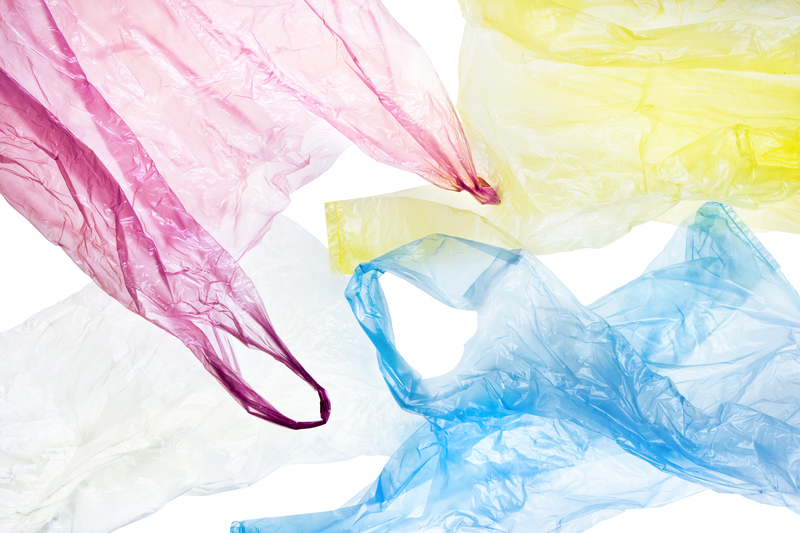
- Plastic Waste: Non-biodegradable and often ends up in oceans, causing harm to marine life and entering the food chain.
- E-Waste: Comprising electronic devices, e-waste contains hazardous substances like lead and mercury, posing significant health and environmental risks.
- Hazardous Waste: Includes chemicals from industrial processes that can contaminate soil and water, affecting ecosystems and human health.
The Environmental Ramifications of Improper Waste Disposal
Improper waste disposal has far-reaching ecological consequences. Here, we delve into some of the most severe impacts of swirling waste practices:
1. Land Pollution
Land pollution occurs when waste is deposited incorrectly, leading to soil degradation. Contaminants from landfills seep into the soil, affecting plant life and reducing agricultural productivity. Over time, this can lead to the loss of arable land.
2. Water Pollution
Water bodies are frequently the final destination for improperly managed wastes. Plastics, chemicals, and other pollutants enter rivers and oceans, turning them into dumping grounds. This results in the destruction of aquatic habitats, with numerous species facing extinction due to toxic exposure. Furthermore, pollutants from waste runoff enter drinking water sources, posing health risks to humans and animals alike.
3. Air Pollution
When waste is incinerated or allowed to decompose anaerobically, harmful gases such as methane and carbon dioxide are released into the atmosphere. Such emissions contribute significantly to air pollution and exacerbate global climate change. Moreover, toxins from burning waste can contribute to respiratory illnesses in humans and wildlife.
4. Contribution to Climate Change
The improper management of waste contributes significantly to greenhouse gas emissions. As organic waste decomposes, it releases methane, while incineration leads to carbon emissions. Both of these practices significantly impact climate change, intensifying global warming.
The Ripple Effect on Wildlife and Ecosystems
Swirling waste practices not only affect the environment but also disrupt wildlife and ecosystems:
Endangerment of Marine Life
Plastic and non-biodegradable waste often end up in the ocean, leading to the death of marine creatures who ingest or become entangled in debris. The ingestion of microplastics and toxins affects the food chain, impacting species survival and biodiversity.
Impact on Terrestrial Wildlife
Wild animals often mistake waste for food, leading to inadequate nutrition and fatal blockages. Toxins from waste also infiltrate water sources consumed by wildlife, further impacting health and survival rates for various species.
Mitigation and Sustainable Waste Management Solutions
While the negative impacts of swirling waste practices are significant, solutions are within reach. By adopting sustainable waste management practices, we can significantly reduce environmental harm and foster a healthier planet:
1. Encourage Recycling and Composting
Recycling reduces the need for new raw materials and decreases landfill waste and energy consumption. Encouraging composting can efficiently manage organic waste, reducing methane emissions and providing nutrient-rich soil amendments.
2. Implement Stringent Waste Management Policies
Governments and organizations should enforce waste management regulations that promote responsible disposal and recycling practices. Implementing fines and incentives can compel individuals and corporations to comply, ultimately leading to better waste handling.
3. Promote the Use of Biodegradable and Eco-friendly Products
Switching to biodegradable and eco-friendly products can significantly decrease the volume of non-degradable waste. A culture of environmental consciousness among consumers and producers is key to fostering this shift.
4. Educate the Public on Waste Management
Raising awareness about the dangers of improper waste disposal and promoting responsible waste practices is crucial. Education campaigns can empower communities to take actionable steps toward reducing their environmental footprint.
5. Invest in Advanced Waste Management Technologies
Innovations in waste management technologies offer significant potential for efficiently managing waste. These include advancements in waste-to-energy technology, improved recycling processes, and chemical treatments that neutralize hazardous waste.
Conclusion
The environmental implications of swirling waste practices are profound. As individuals, communities, and nations, adopting sustainable waste management solutions is crucial to protecting the planet for current and future generations. Together, we can make a considerable impact by minimizing waste, reducing pollution, and safeguarding natural ecosystems. Addressing this environmental challenge requires a collaborative effort with policy intervention, public awareness, and innovative thinking, ensuring a cleaner and healthier world for all.